

Endurance athletes, especially runners, tend to shy away from strength training due to what I would consider a misunderstanding of what it can provide. After working with hundreds, probably thousands by now, of runners and triathletes over the last few years, I find very few have a regular strength plan. Some are afraid of getting hurt, some do not know how to effectively strength train, and some still have the ridiculous notion that if they lift weights they will get so bulky, the can no longer run!
What Do My Hands Do When Running?

Every runner has been through this, and most of us have tried more styles than Tiger Woods has swings, but seriously…what the heck do I do with my hands when I am running?
Lets get something straight from the start, when we are on our long run or are racing, wasted energy is just pure evil. With that, being relaxed up top while running is the name of the game. There should be no clinched fists, shoulders floating up around your ears, violent rotation from side to side or veins popping out of your face and neck like you are trying to pass a block of cheese. Everything above your waist should be relaxed and fluid…like a breeze blowing through a meadow (I don’t know…it sounds relaxing, just go with it).
A Quick Take on Running Form

As our last article, stretching, went well, lets keep on the controversial topics and take a brief look at another that gets runners all up in a huff, because my technique/form is better than yours! SPOILER — it IS the best…for you!
S T R E T C H I N G

Do you stretch? When? How? More importantly WHY? This will be brief, and there are many sides to this table, but where do you sit on this topic? When the discussion about stretching arises, it is sort of like the old saying on religion and politics; no matter what you have to say or how compelling your argument, you will never change the views of the other person and will usually walk away further apart on the subject than when you began.
Hamstring: Proximal Strain & Tendinopathy
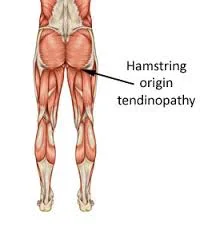
Hamstring injuries can be a beast; they drag you down mentally and physically as treatment tends to draw out and disrupt your training plans and goals. They present with pain and tenderness near the gluteal fold and over the posterior thigh, making it sometimes difficult to run, ride, walk and even sit. What I would like to do here today is briefly (as a longer post is to come later) give you some basic suggestions based on research findings, what patients have responded positively to, as well as what to do about your training and overall fitness.